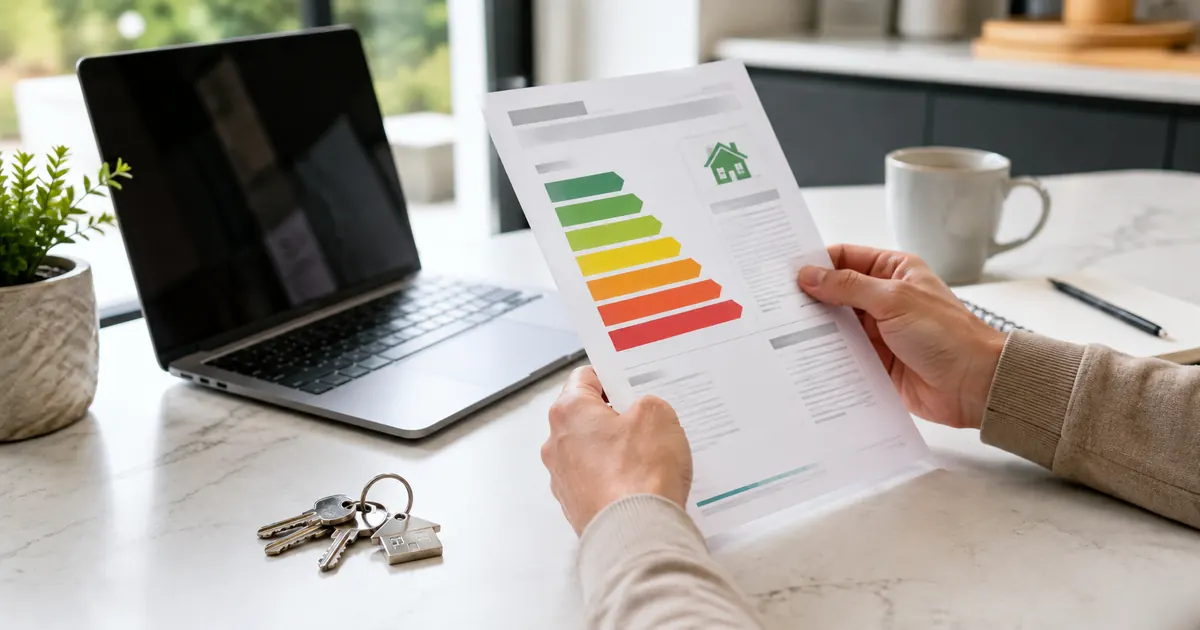

If you want to check council tax band before buying, use the official address lookup before you compare likely ownership costs. The band is only one part of the bill, so you should also check the relevant council’s current charge and note any questions for your solicitor.
This guide explains the practical steps for homes in England and Wales. It also shows what the lookup can tell you, what it cannot confirm and how to handle an unexpected result.
Why check council tax band before buying?
Council Tax is a recurring household cost. Checking the band early helps you compare two homes on a more consistent basis. It can also reveal a question that needs attention before exchange.
The official Council Tax band lookup covers homes in England and Wales. You can search by postcode or address. Keep the result with your viewing notes and record the date you checked it.
Do not treat the band as the annual bill. GOV.UK explains that the bill depends on the valuation band, the local council’s charge and any applicable discount or exemption. The amount can therefore differ between council areas even when two properties share a band.
What a Council Tax band can and cannot tell you
A band places a property within a valuation range used for Council Tax. GOV.UK states that bands use historic values: 1 April 1991 in England and 1 April 2003 in Wales. The current asking price does not directly identify the band.
The record does not confirm the property’s physical condition, legal title or future running costs. It also does not replace conveyancing searches. Read Trust Point’s guide to the UK conveyancing process to see how legal checks fit into the wider purchase.
A band can change in some circumstances. GOV.UK lists examples involving changes to a property, self-contained units or significant changes to the local area. Avoid assuming that an extension or conversion will produce a particular result. Ask the appropriate authority or professional to review the facts.
Use a Council Tax band lookup before viewing
- Open the official band service and enter the property’s postcode.
- Match the full address carefully, including the flat or unit number.
- Save the band and the date of the search in your comparison notes.
- Find the relevant council and check its current charge for that band.
- Record any discount, exemption or occupancy question separately.
Use the GOV.UK explanation of Council Tax to separate the band from the amount charged. Follow its route to the relevant local council, then use the council’s current information rather than an old listing or informal estimate.
When you check council tax band before buying, take a screenshot or save a dated note for your own records. Do not copy personal data from another household. You only need the property address, band and public charging information for an initial comparison.
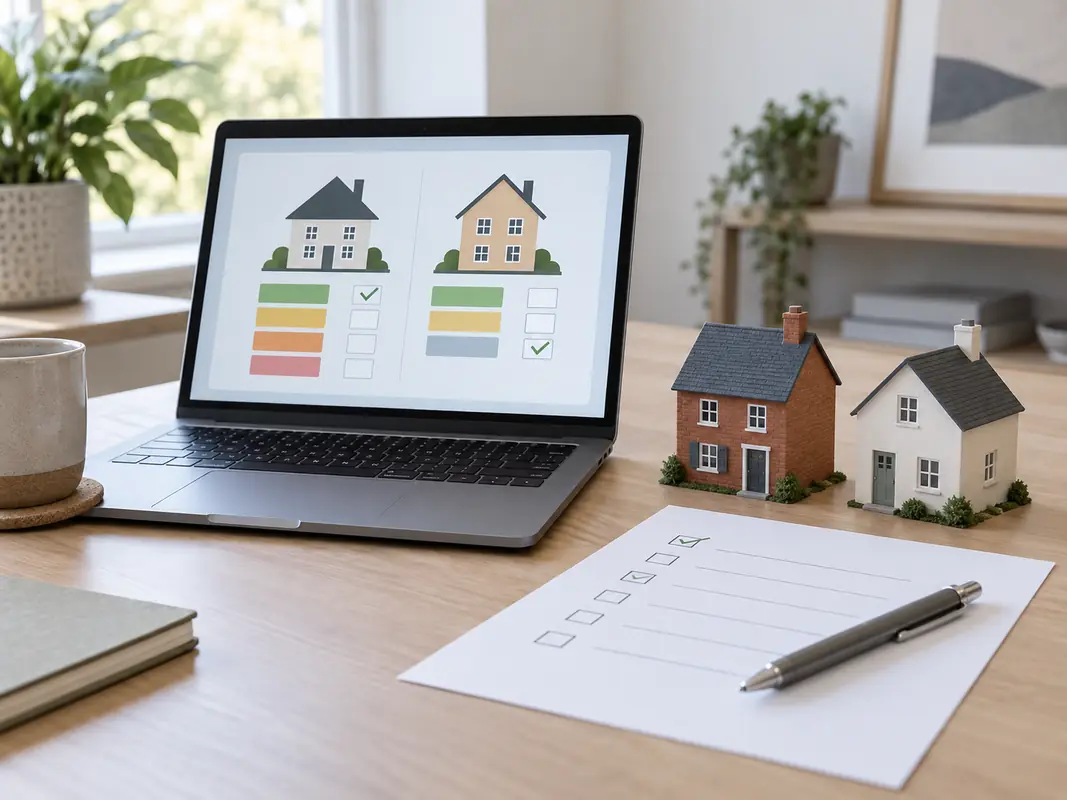
Compare the address with the property details
Address matching matters in blocks, converted houses and mixed-use buildings. Check the flat number, building name and postcode against the sales particulars. If the official result shows several units, make sure you select the home you are considering.
Ask how the property is arranged. A house divided into self-contained flats may have separate records. An annexe or merged unit can also create questions. Do not decide the correct treatment yourself from a floor plan. Record the discrepancy and ask your solicitor which evidence is needed.
Compare the result alongside other property-specific checks. The guide on how to check flood risk before buying explains another official early-stage lookup. A current London property listing can also show which property details must be matched to independent records.
Questions to raise when the record looks unexpected
An unexpected band is a reason to investigate, not proof that the record is wrong. First, confirm that you searched the exact address. Then compare similar nearby properties only as context. Differences in layout, use or property history may matter.
GOV.UK provides a formal Council Tax band challenge guide. It explains that legal rights and evidence requirements apply. A buyer should not assume that a challenge will succeed or that the current bill will fall.
Ask the seller or agent for clarification where appropriate, but verify important answers independently. Your solicitor can advise how an unresolved issue affects the transaction. The Valuation Office or relevant council can explain its own record and process.
Tax rules, local charges and official procedures can change. This article provides general information, not legal or tax advice. Always confirm your position with a qualified solicitor or tax adviser before making decisions.
Build the charge into your ownership budget
Once you know the band, find the current charge from the council responsible for the address. Use the full annual amount as a consistent starting point. Then ask whether any discount or exemption genuinely applies to your planned occupancy.
If you check council tax band before buying each shortlisted home, record every result in the same format. This makes the comparison easier to review.
A seller’s present bill may not match your future bill. Their household circumstances may differ, and local charges can change. Do not rely on a monthly figure in marketing material unless you can trace it to current official information.
Keep Council Tax separate from Stamp Duty Land Tax, service charges, insurance, utilities and maintenance. Each cost has a different basis. A clear comparison sheet reduces the chance that one attractive headline figure hides another recurring commitment.
Review the budget before you make or revise an offer. Leave room for figures that still need confirmation. A professional adviser can explain tax or legal issues, while an inspector can assess the property’s condition.
Next steps before you commit
To check council tax band before buying, start with the official band lookup, verify the exact address and then find the council’s current charge. Keep any discrepancy on your due-diligence list until the appropriate authority or adviser explains it.
When you are ready to discuss a property search, contact Trust Point. Bring your shortlist, band results and unresolved questions so the next conversation stays focused.