
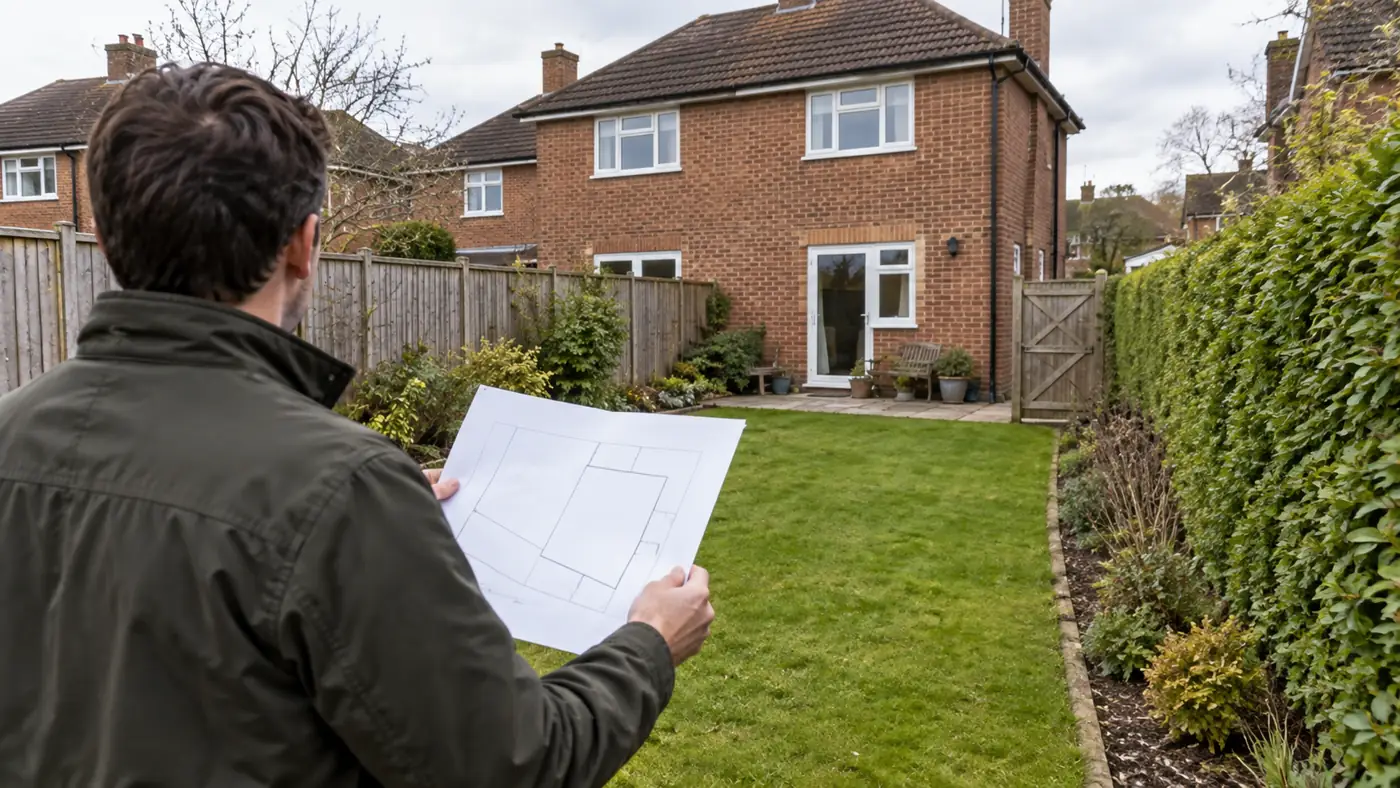
Party wall property checks gives buyers a structured way to review notices, awards and building work near a shared wall or boundary. This guide separates confirmed evidence from assumptions. However, no area result or document replaces property-specific professional advice. Buyers should keep a dated record of every material finding.
Party wall property checks basics for buyers
First, define the exact property and the decision that needs support. Collect evidence before interpreting any risk or administrative point. Note who supplied each record and when. Mark unanswered questions clearly instead of guessing.
The review should match the property, transaction stage and buyer circumstances. However, broad online information only provides context. Advisers need the same documents and observations. A consistent file makes later comparisons easier.
Records to collect before making comparisons
Good decisions start with traceable records. Request documents early enough for proper review. However, check names, addresses, dates and reference numbers carefully. Keep original files rather than screenshots alone.
- First, record the seller’s replies about recent building work in the property file.
- Keep copies of any party wall notices in the property file.
- Note any written consent from adjoining owners in the property file.
- Compare a party wall award where one exists in the property file.
- In addition, save schedule-of-condition records and photographs in the property file.
- Review surveyor correspondence about the work in the property file.
- Store plans that identify the relevant wall or boundary in the property file.
- Finally, retain details of unfinished or proposed work in the property file.
Next, group confirmed records separately from seller statements and buyer notes. Advisers can see the evidence trail quickly. Retain earlier versions when a record changes. Keep personal information in secure storage.
Questions for sellers and professional advisers
Written questions help buyers avoid vague reassurance. Ask each adviser only about matters within their role. For example, surveyors address condition while conveyancers address legal records. Specialists may need to examine technical concerns.
- First, ask whether relevant work has started or finished.
- Confirm which notices the building owner served.
- Clarify whether adjoining owners gave written consent.
- Discuss who appointed each surveyor.
- In addition, check what the award says about access and protection.
- Request advice on whether later changes altered the agreed work.
- Record an answer about what the buyer’s surveyor observed.
- Finally, resolve which legal enquiries remain open.
In addition, record the answer and the person who supplied it. Later advice can refer to the same evidence. Conflicting answers need resolution before commitment. Do not treat silence as confirmation.
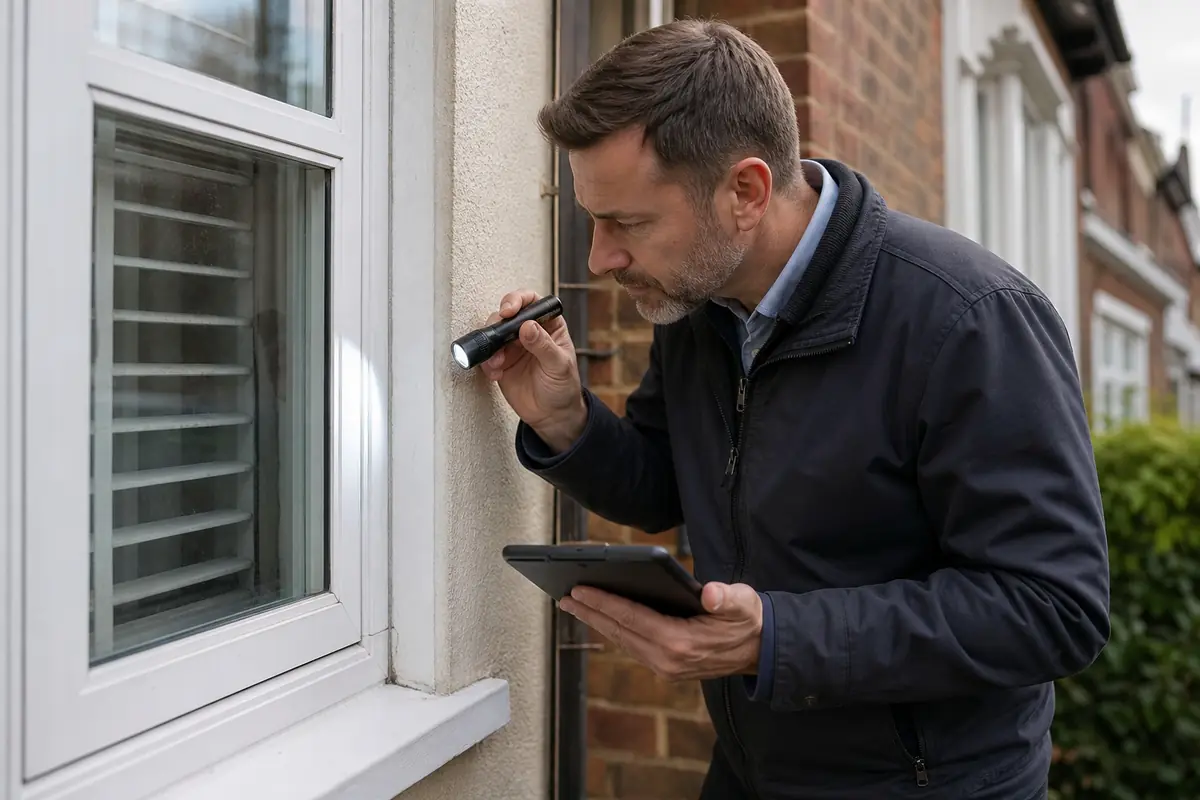
How to use a party wall property checks
A useful sequence prevents rushed conclusions. First, verify identity and location details. Compare documents with the physical property. Any material mismatch should return to the relevant professional for review.
- First, confirm the property layout against the seller’s account before moving forward.
- Check the work dates against each notice before moving forward.
- Compare the named owners against title information before moving forward.
- Review the plans against the visible construction before moving forward.
- Next, verify the award against any completed work before moving forward.
- Discuss condition photographs against current observations before moving forward.
- Record legal replies before exchange before moving forward.
- Finally, assess the final evidence with qualified advisers before moving forward.
Therefore, buyers should finish each step before relying on the next. Dates matter when records can change. Keep a short explanation for each decision. Review the complete file before exchange or commitment.
Warning signs that need further review
Not every gap creates a serious problem. However, unexplained gaps deserve attention. Identify what evidence could resolve the point. Decide with advisers whether the issue affects timing, cost or suitability.
- First, pause when major work appears without supporting paperwork.
- Take care when a verbal agreement replaces written evidence.
- Investigate when the notice names the wrong owner or property.
- Seek advice when the completed work differs from the plans.
- However, stop when damage questions remain unresolved.
- Record concern when future access obligations lack explanation.
- Recheck when the survey excludes the affected area.
- Finally, reconsider when open legal questions remain at exchange.
For example, one missing record may need a simple request. Conflicting professional evidence may need specialist investigation. Buyers should avoid fixed conclusions too early. The evidence should drive the decision.
A practical buyer checklist
A written checklist keeps the review consistent across several properties. Use the same core questions for every shortlist option. However, add property-specific points whenever the evidence requires them. Assign each open task to a named person.
- First, list visible work during the viewing.
- Then, give the list to the surveyor and conveyancer.
- Also, request notices, consent and awards early.
- Keep time to compare plans with the physical property.
- In addition, retain condition records and correspondence.
- Make sure to record gaps without guessing their effect.
- Before commitment, seek qualified advice on unresolved duties.
- Finally, resolve material issues before exchange.
Useful Trust Point resources include UK conveyancing process, UK property survey types. In addition, official information appears through GOV.UK party walls and building works. Check the current page and publication date before relying on guidance.
Professional advice: Party wall matters depend on the facts and timing of the work. Buyers should obtain property-specific advice from qualified conveyancers and surveyors.
Overall, a party wall property checks works best as an evidence-led process. Buyers should verify the exact property, keep written records and resolve material questions before commitment. Trust Point can help buyers organise a shortlist, while independent professionals handle legal, technical, tax and financial advice.