
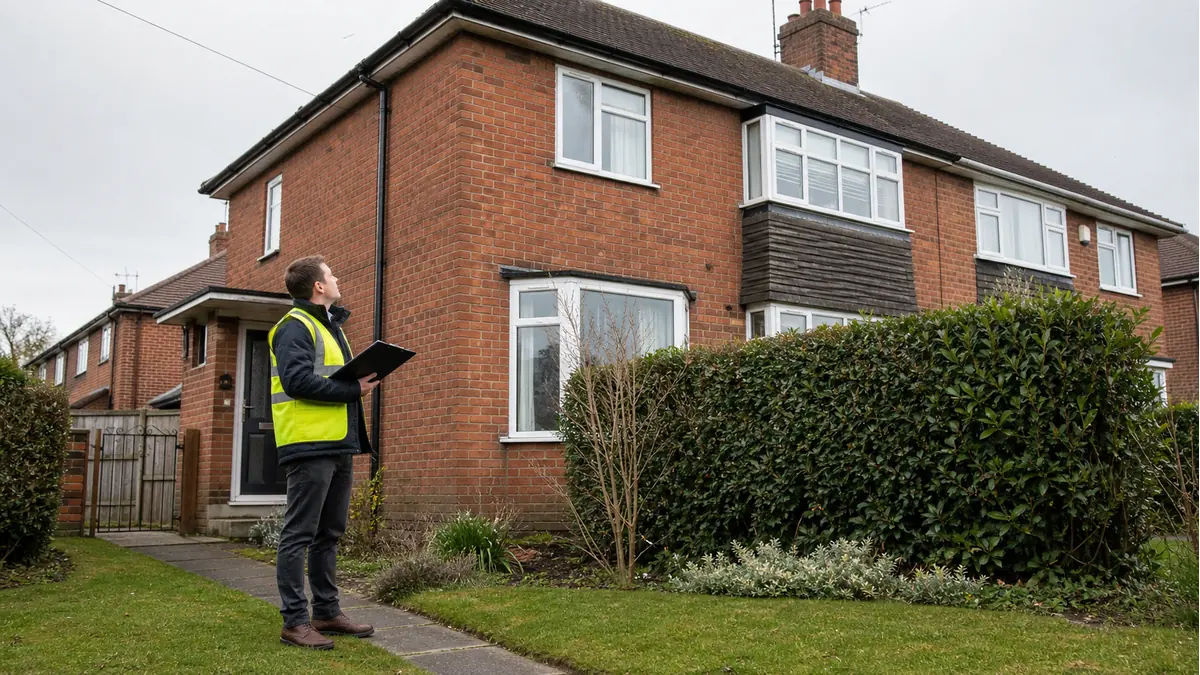
UK property survey types give buyers different levels of information about a home’s condition before they commit to a purchase. This guide explains the three RICS Home Survey levels, how a survey differs from a mortgage valuation, and what to discuss with a surveyor before choosing a service.
The guidance is aimed mainly at buyers in England and Wales. Buying systems differ in Scotland and Northern Ireland, so buyers should confirm the process that applies where the property is located.
Why a property survey matters
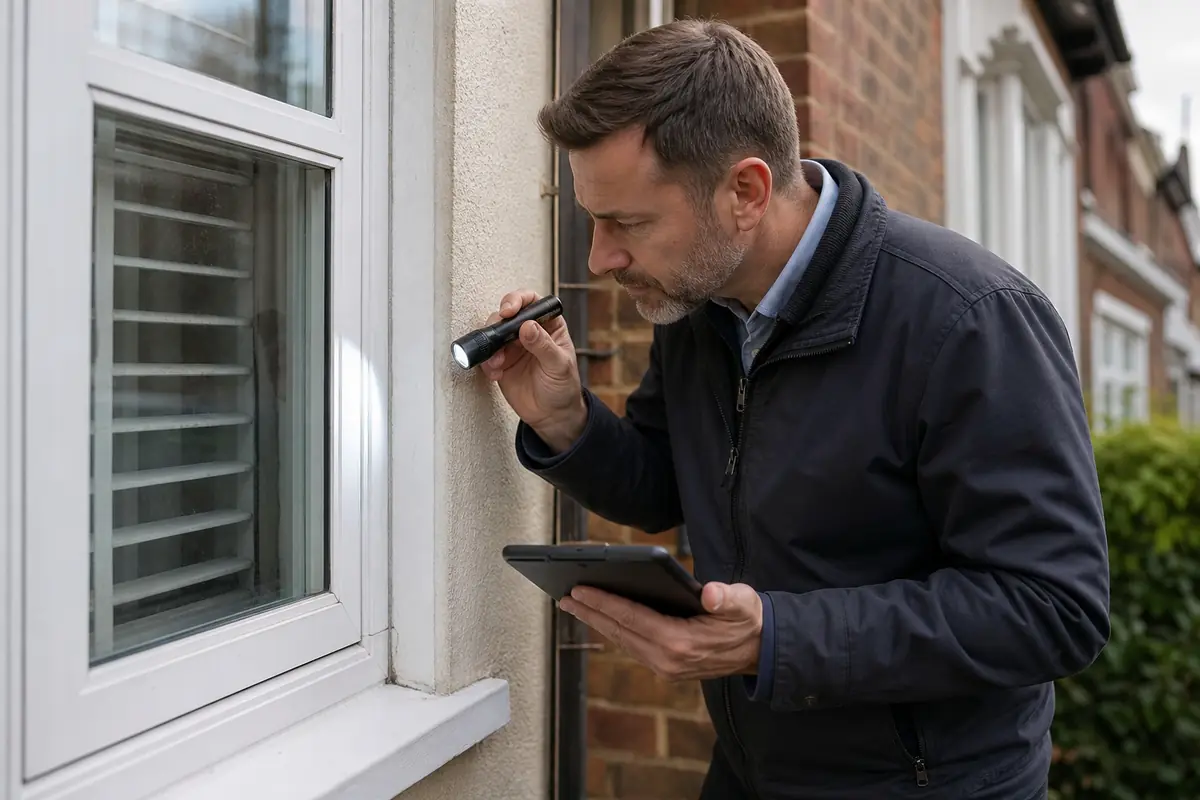
A home can look sound during a viewing while still having defects that need investigation. A survey provides an independent professional assessment of the parts of the property included within the agreed inspection. It may identify visible defects, matters requiring further investigation and maintenance that a buyer should consider.
The GOV.UK buying-a-home guidance includes arranging and paying for surveys among the main steps in a purchase. However, a survey does not remove every risk. Its usefulness depends on the level of service, the property, access on the day and the surveyor’s agreed terms.
A survey is not a mortgage valuation
A mortgage lender may arrange a valuation before approving a loan. Its purpose is to help the lender decide whether the property provides suitable security for the mortgage. It is not a condition survey for the buyer, and it may not involve the same inspection or detail as a home survey.
Buyers should therefore avoid assuming that a lender’s valuation answers questions about defects, repairs or future maintenance. GOV.UK also distinguishes valuations from surveys in its guidance on offers, searches and valuations.
UK property survey types explained
The Royal Institution of Chartered Surveyors, or RICS, uses three service levels for its branded Home Surveys. The levels describe progressively more detailed services. The right choice depends on factors such as the building’s age, condition, construction, alterations and the buyer’s plans.
RICS Home Survey Level 1
Level 1 is the most concise of the three RICS options. It provides a visual assessment of condition and highlights visible defects, risks and matters that may need urgent attention or further investigation. It generally does not include detailed advice on repairs.
RICS describes this level as potentially suitable for a conventional house, flat or bungalow built from common materials and appearing to be in good condition. A buyer should still tell the surveyor about any particular concern before instruction.
RICS Home Survey Level 2
Level 2 gives more detail about condition and may provide advice on defects, repairs and ongoing maintenance. It is generally intended for conventional properties in reasonable condition with a straightforward form and layout.
RICS offers a survey-only version and a version that also includes a market valuation and an insurance reinstatement figure. Buyers should check exactly which version is being quoted, since a valuation is not automatically part of every Level 2 service.
RICS Home Survey Level 3
Level 3 is the most comprehensive RICS Home Survey. It provides a more extensive inspection and detailed analysis of condition, including information about defects, repair options, maintenance and the possible consequences of leaving repairs unresolved.
RICS suggests considering this service for large, older, altered, unusual or visibly run-down properties, or where major works are planned. The RICS consumer comparison of Home Survey levels sets out the features of each option.
How to choose between UK property survey types
The survey level should respond to the property rather than simply the purchase price. A modern flat of conventional construction may present different questions from a converted period building, an extended house or a property showing signs of movement or moisture.
Before requesting quotes, give surveyors accurate information about the building and your concerns. Useful details include:
- the approximate age and type of property;
- whether it has extensions, conversions or unusual construction;
- visible cracking, damp staining or other concerns noticed during viewings;
- planned alterations or renovation work;
- whether a valuation or reinstatement figure is required; and
- any areas where access may be restricted.
Ask each surveyor to explain the inspection scope, exclusions, report format and expected delivery arrangements. The current RICS Home Survey Standard information states that the first edition remains in use while the second edition is under review. Because the standard is changing, buyers should confirm that the proposed service reflects the version in effect on the instruction date.
When specialist inspections may be useful
A general home survey can recommend further investigation when a concern falls outside its scope or needs specialist testing. Depending on the property and the surveyor’s findings, a buyer might consider advice on drainage, electrical systems, heating, roofs, timber, damp, structural movement or invasive inspection.
This does not mean that every property needs every specialist report. Ask the surveyor why further work is recommended, what question it should answer and whether it should be completed before exchange. Buyers considering a new-build home may also find Trust Point’s guide to buying new-build property in London useful when planning their wider checks.
Using the report before exchange
Read the whole report rather than relying only on condition ratings or the summary. Note urgent issues, recommended further investigations, limitations and areas the surveyor could not inspect. If anything is unclear, ask the surveyor to explain it.
Share relevant findings with your legal adviser where they relate to title, permissions, boundaries, services or other legal enquiries. A survey and conveyancing serve different purposes, so one does not replace the other. Trust Point’s guide to the UK conveyancing process explains how legal searches, enquiries, exchange and completion fit together.
A report may help a buyer decide whether to proceed, obtain specialist advice or discuss an issue with the seller. Any response should reflect the evidence, the contract position and professional advice. An offer is not legally binding in England and Wales until contracts are exchanged, but buyers should ask their conveyancer how the rules apply to their transaction.
Questions to ask before appointing a surveyor
- Which survey level do you recommend for this property, and why?
- What parts of the building and grounds will you inspect?
- Which areas or tests do you exclude?
- Does the fee include a market valuation or reinstatement figure?
- Can I discuss the report with you after receiving it?
- What professional qualifications, regulation and complaints process apply?
- Are there concerns that may require a separate specialist?
Compare the service scope as well as the fee. A cheaper report may not provide the depth needed for a complex property, while the most detailed service may be unnecessary for a straightforward home in sound condition.
Plan the survey around the property
UK property survey types range from a concise condition overview to a detailed assessment with repair and maintenance advice. The sensible choice depends on the building and the questions the buyer needs answered. Confirm the scope in writing, disclose concerns and allow time to consider the report before making a binding commitment.
This article provides general information, not surveying, legal or financial advice. Buyers should obtain advice from appropriately qualified professionals for their circumstances. To discuss a UK property search and the practical stages around a purchase, contact Trust Point.