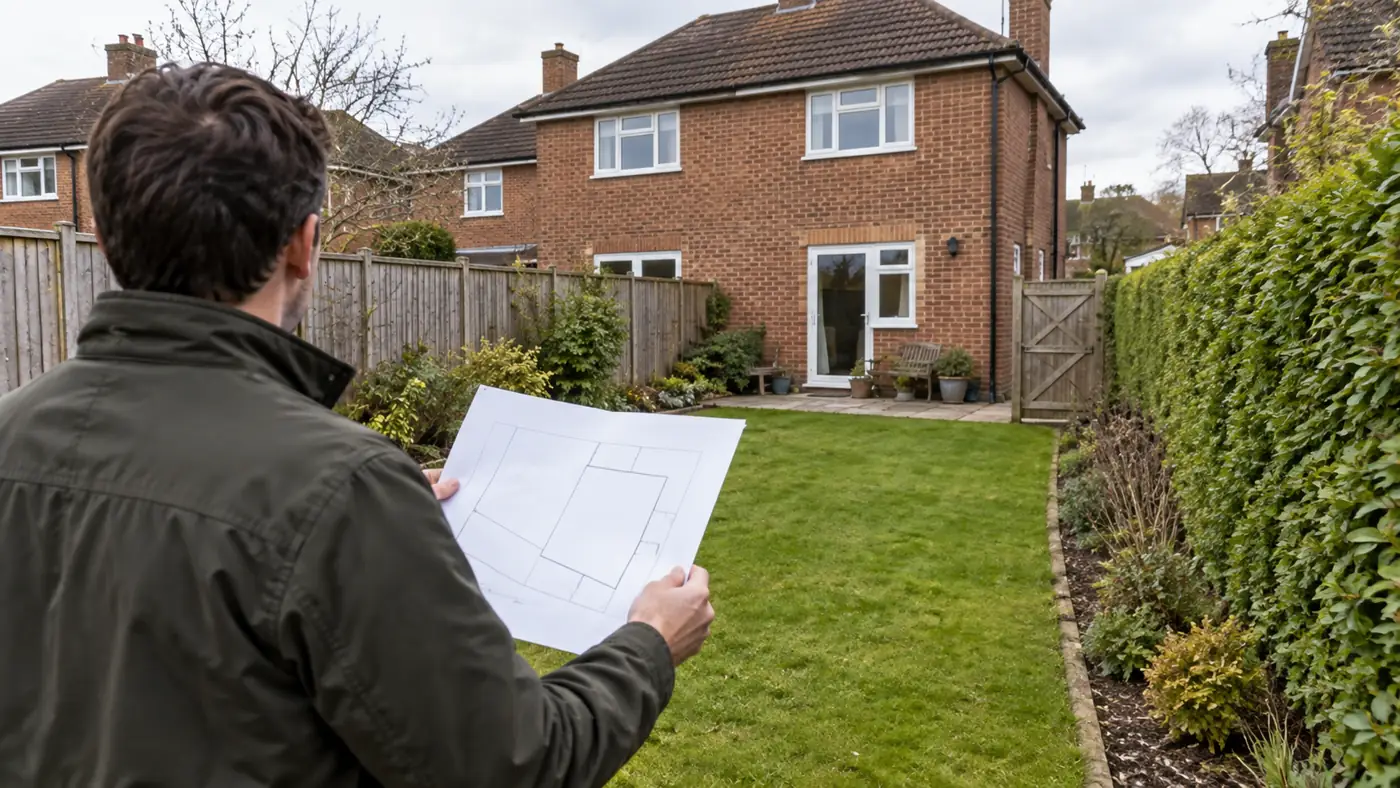
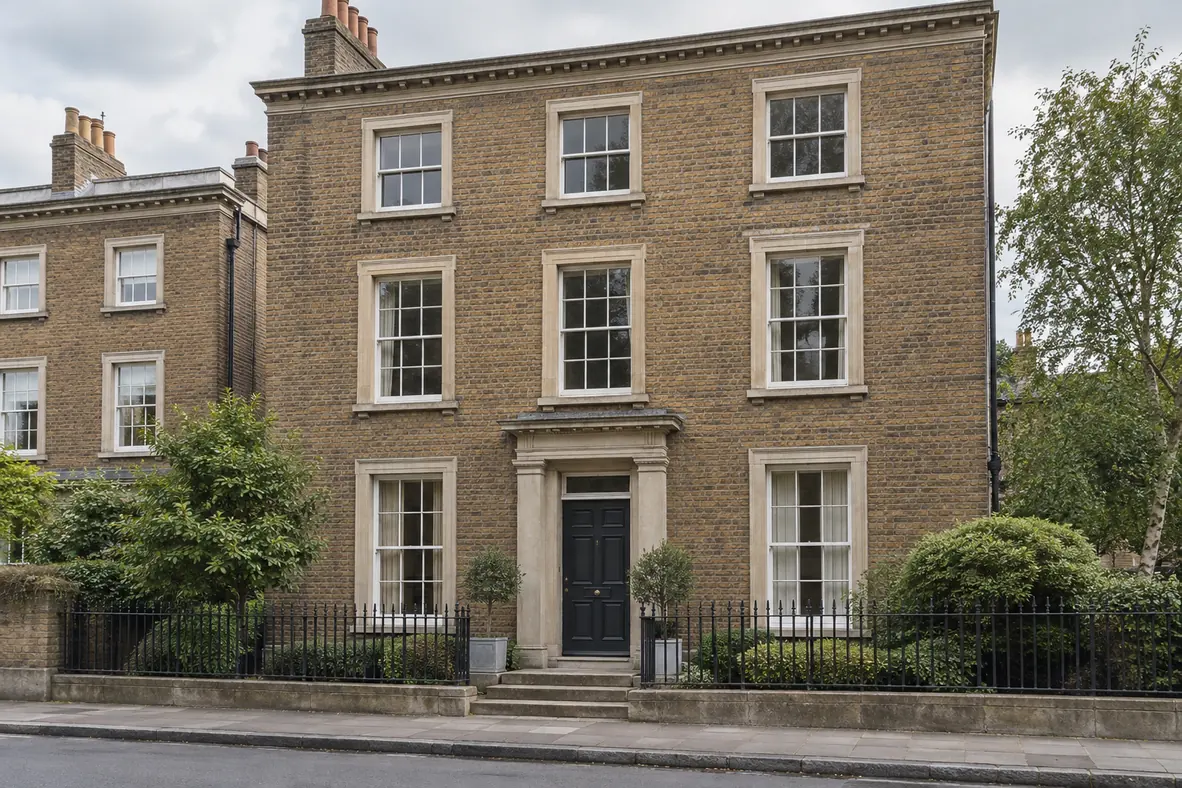
Listed building checks help buyers confirm heritage status and ask the right questions before exchange. First, check the official designation details for the property. Then connect those details with searches, survey findings and any proposed alterations. This guide explains a practical route for homes in England.
This article provides general information, not legal, planning or surveying advice. Heritage controls and a building’s history can create property-specific questions. Therefore, ask a qualified conveyancer, surveyor and the local planning authority about the home you intend to buy.
Listed building checks: confirm the designation
Start by confirming whether the address appears on the National Heritage List for England. Use the address, postcode and map location, since names and postal details can change. Additionally, compare the list entry with the building you viewed and the land included in the sale.
Read the entry carefully. It may identify the listing grade, designation date and a description of special interest. However, do not treat the description as a complete inventory of protected features. Ask the local authority and your advisers to explain the designation’s property-specific effect.
Next, ask the local planning authority to confirm the relevant heritage record and conservation contact. The authority may also hold application files, decisions and local records. Meanwhile, your conveyancer can compare the designation with the title, contract papers and search results.
What the list entry can and cannot tell you
A list entry gives an important starting point, but it does not replace due diligence. For example, a short description may help identify the building and explain its special interest. It does not confirm condition, ownership, boundaries or whether every past alteration had consent.
Listing can affect more than the front elevation. Interior fabric, attached structures and some objects or structures within the curtilage may need consideration. Yet the answer depends on facts such as age, physical relationship and historic use. Consequently, obtain advice before assuming that a feature falls inside or outside the designation.
The official GOV.UK historic environment guidance explains the planning framework for designated heritage assets. In addition, the Planning (Listed Buildings and Conservation Areas) Act 1990 sets the main statutory framework. Buyers should ask advisers how current law applies to the individual property.
Listed building checks for previous alterations
Ask the seller for records covering extensions, replacement windows, internal changes and other material work. Then compare those records with what you see during the viewing. A planning permission record does not automatically prove that every heritage consent question has a satisfactory answer.
Review the local authority’s planning register for listed building consent applications and related decisions. Trust Point’s guide to checking planning applications before buying explains how to read application references, plans and conditions. Furthermore, a local land charges search may identify entries that need explanation.
Do not rely on photographs or verbal assurances alone. Instead, ask your conveyancer to identify missing documents and explain their significance. If evidence remains incomplete, the buyer, lender and advisers may need to consider further enquiries or another suitable response.
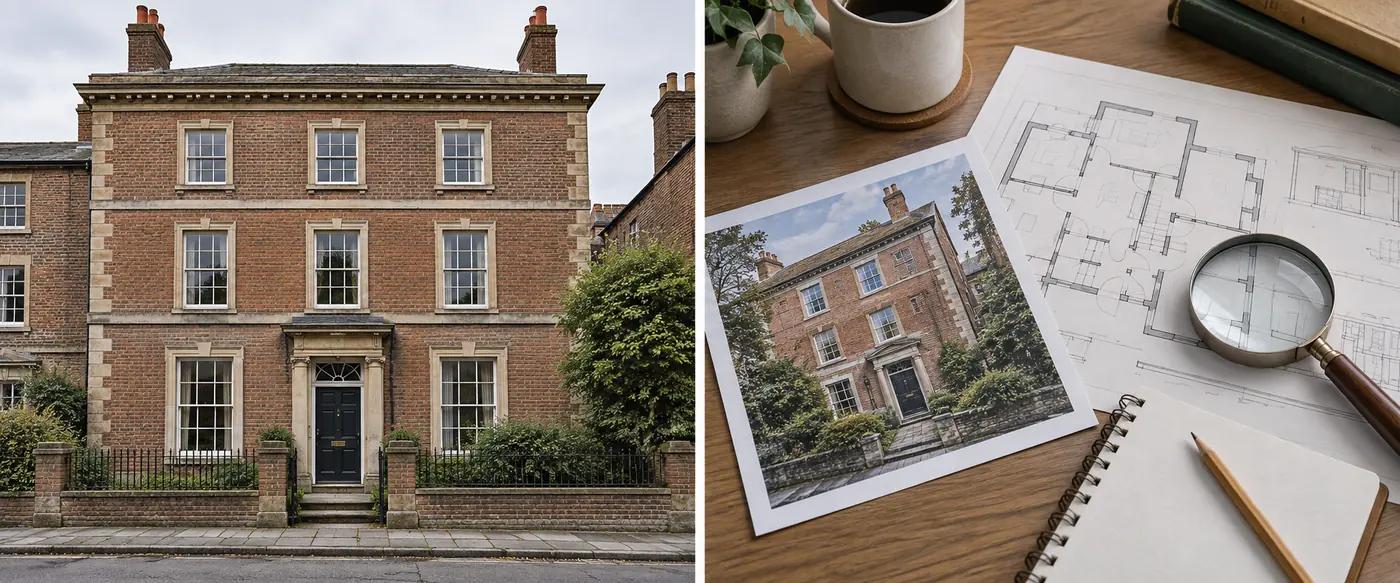
Survey and maintenance questions
A suitable survey should consider the building’s age, construction and visible condition. Therefore, tell the surveyor that the property has listed status before confirming the inspection scope. Ask whether the surveyor has appropriate experience with similar historic buildings.
Traditional materials and construction methods may behave differently from modern replacements. For instance, incompatible repairs can trap moisture or conceal defects. A surveyor can identify visible concerns and recommend specialist investigation, but the inspection cannot settle every consent or legal issue.
Use the overview of UK property survey types to prepare questions about inspection depth. Also request available maintenance records, warranties and specialist reports. Then separate urgent defects from longer-term maintenance planning and proposed improvements.
Listed building checks before planned work
Explain your plans to advisers early, even if the work seems minor. Changes that affect a listed building’s special architectural or historic interest may require listed building consent. Moreover, ordinary planning permission and building regulations approval answer different questions.
Ask the local planning authority whether pre-application advice is available for your proposal. Provide enough detail about materials, location and design for a useful discussion. Nevertheless, informal comments do not guarantee a later decision.
Budgeting also needs care. Specialist advice, traditional materials and a longer consent process may affect a project. However, avoid relying on a generic allowance or an unverified timetable. Obtain property-specific quotations and professional guidance before committing to the purchase or works.
Questions for your conveyancer and surveyor
Prepare a written list so each adviser can address their own area. Specifically, ask:
- Does the designation clearly match the property and land in the contract?
- Which structures, interiors or curtilage features need further heritage advice?
- Do visible alterations match the available permissions and consent records?
- Are any conditions, enforcement matters or unresolved applications relevant?
- Does the survey identify materials, defects or repairs needing specialist input?
- Could the buyer’s intended changes require consent or additional investigation?
Your conveyancer can connect these answers with the wider conveyancing process for UK property buyers. Meanwhile, the surveyor can explain condition and repair priorities. A heritage consultant or conservation architect may also help where proposed work or significance needs specialist analysis.
Make heritage checks part of your buying decision
Overall, listed building checks should combine the designation, local records, legal enquiries and a suitable survey. No single source answers every question. As a result, resolve material gaps before exchange, when the purchase normally becomes legally binding.
Keep copies of list entries, decisions, plans, seller documents and professional reports. Finally, record unresolved points and who will address them. Buyers can explore Trust Point’s UK property locations while keeping heritage advice independent and property-specific.