
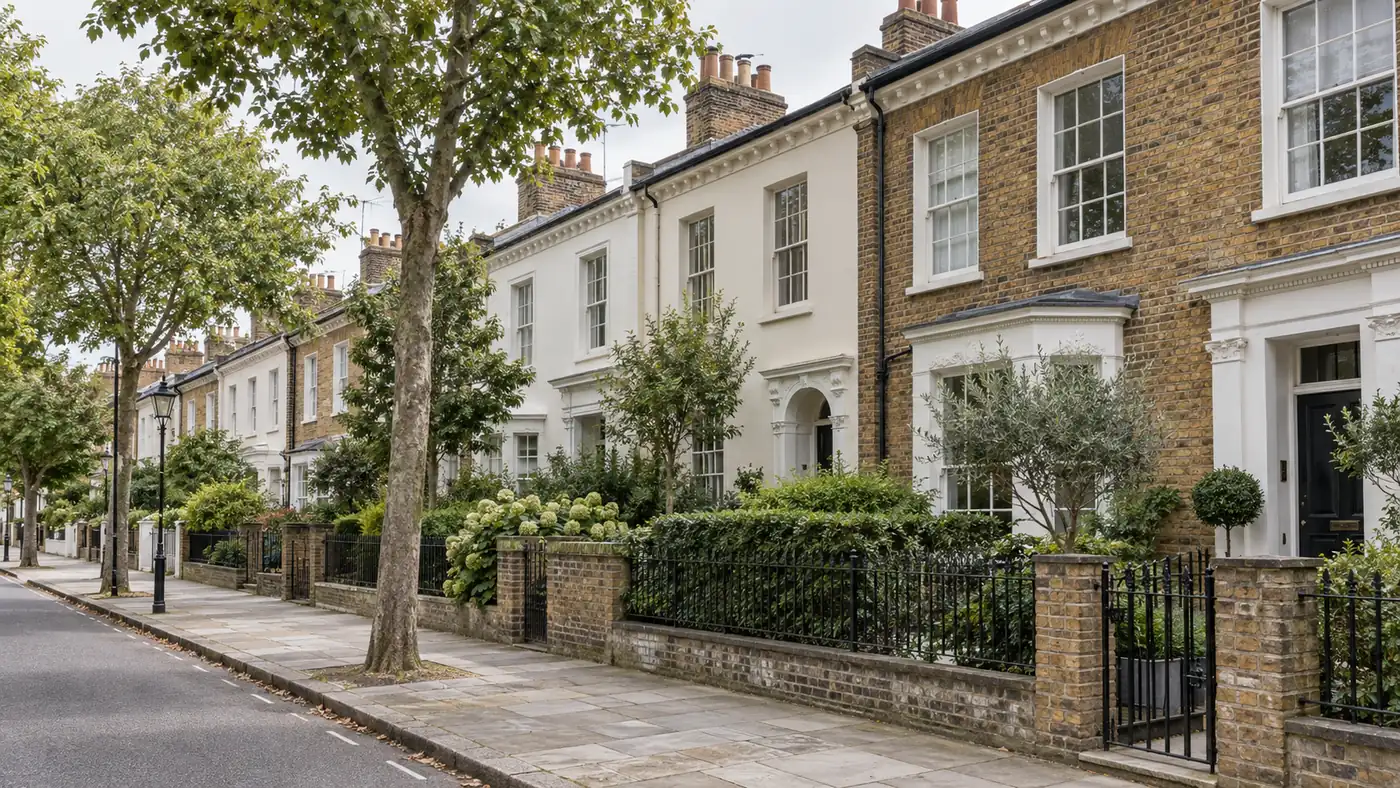
Conservation area property checks help a buyer understand whether local heritage controls may affect a home in England. They should confirm the designation, identify any area-specific guidance and compare the property with its planning history before exchange. This guide explains a practical process and the questions to raise with professional advisers.
What conservation area property checks should cover
A conservation area protects the special architectural or historic interest of a wider place. Therefore, the designation is about local character rather than one building alone. Streets, open spaces, trees and the relationships between buildings may all contribute to that character.
First, confirm whether the property sits inside the boundary. Then read the council’s conservation-area appraisal, if one exists. The appraisal may explain the features that make the area significant. It may also identify buildings, materials, views or spaces that deserve particular care.
Next, check whether the council has published a management plan or design guidance. These documents can show how the authority approaches alterations. However, they do not replace a decision on a specific planning application.
Why designation differs from listed status
A home can sit in a conservation area without being a listed building. Equally, a listed building may be inside or outside such an area. As a result, buyers should check both forms of heritage status separately.
Listed status focuses on an individual building and can affect works to its fabric and character. By contrast, conservation-area controls address the character and appearance of the wider area. Read Trust Point’s guide to listed building checks in England for that separate process.
In addition, do not assume that an estate agent’s description settles either question. Ask the conveyancer to review the title, searches and enquiries. Also compare those findings with the local authority’s current records.
Records to review before exchange
Start with the local council’s online planning and conservation pages. The GOV.UK local council finder can identify the responsible authority. Search by the property address, but also inspect the published boundary map and appraisal.
After that, review the property’s planning history. Look for applications involving extensions, windows, doors, roof works, external finishes or demolition. A missing record does not prove that the council authorised the work. Therefore, ask the seller and conveyancer for the relevant permissions, approvals and evidence.
Trust Point’s guide to checking planning applications before buying explains how to organise this review. In addition, a local land charges search can reveal registered charges and planning-related entries. Your conveyancer can explain what the search does and does not cover.
Finally, read the official historic-environment planning guidance. It explains how significance and setting fit into planning decisions. This context helps buyers understand why a council may scrutinise some proposals more closely.
How conservation area property checks affect future plans
Buyers often want to replace windows, alter a roof or add an extension. However, permitted development rights do not operate identically in every situation. A local authority may also use an Article 4 direction to remove specified rights for particular development.
Therefore, identify any Article 4 direction that covers the address. Read its exact scope and effective date. The official guidance on when permission is required explains the general framework. Nevertheless, the council should confirm how local controls apply to a specific proposal.
In addition, compare your intended works with previous decisions nearby. Those decisions can provide context, but they do not guarantee the same outcome. Design, materials, visibility and the property’s contribution to local character may differ.
A building survey can also identify physical issues and past alterations. However, a survey is not a planning-permission audit. Buyers should combine survey advice with conveyancing enquiries and the council record.
A practical pre-exchange checklist
- Confirm the conservation-area boundary using the local authority’s current map.
- Read the appraisal, management plan and any local design guidance.
- Check whether an Article 4 direction covers the property.
- Review planning applications and decisions for the address.
- Ask for approvals and evidence relating to visible past alterations.
- Check separately whether the building is listed or locally listed.
- Tell the surveyor and conveyancer about any works you plan.
- Raise unresolved discrepancies before exchange, not after completion.
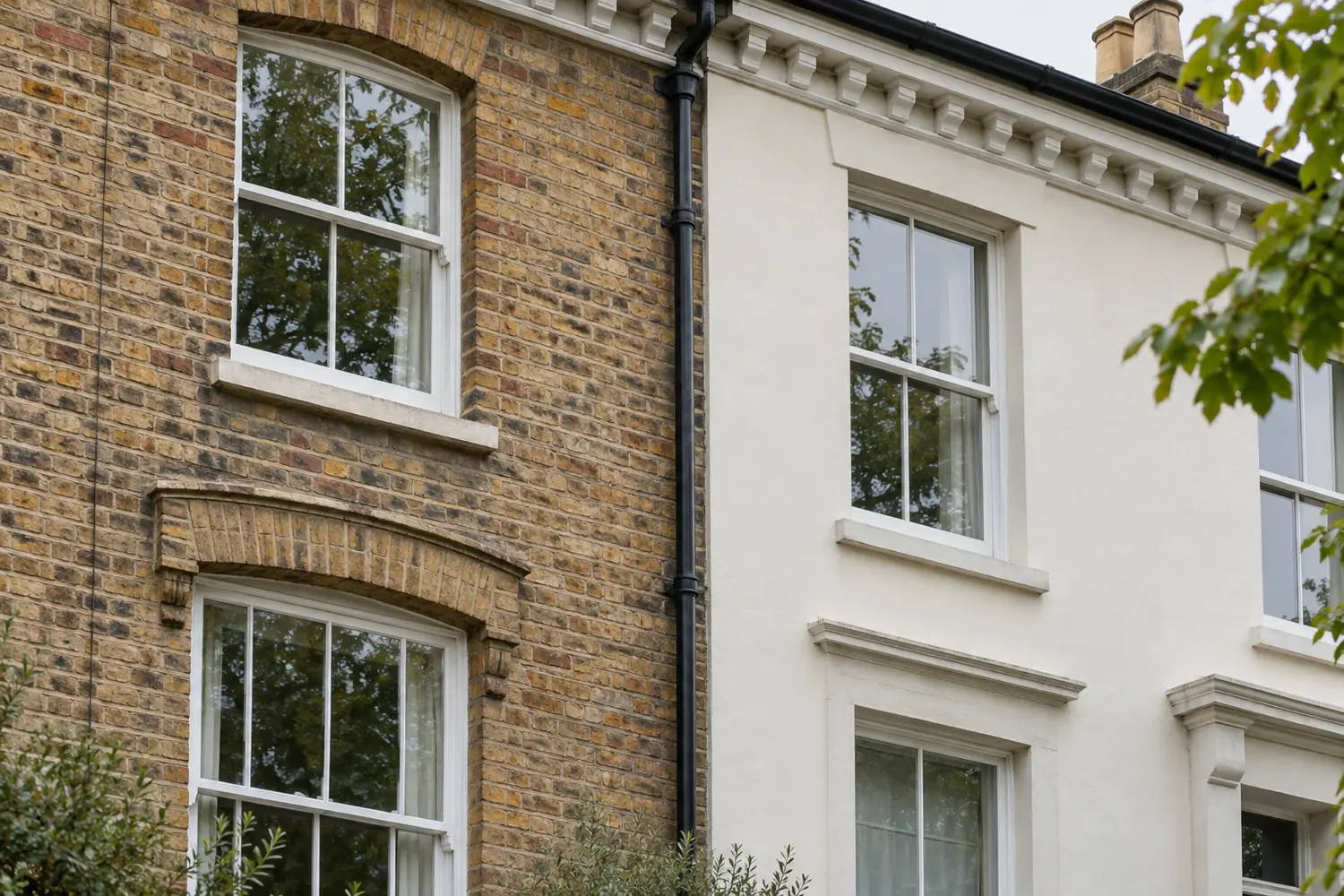
For example, replacement windows may look routine. Yet their material, profile or opening pattern can matter in a sensitive streetscape. Similarly, a side or rear extension may affect views or the setting of nearby heritage assets.
The wider UK conveyancing process provides the structure for searches and enquiries. However, the buyer should still tell the conveyancer about intended alterations. That information helps the adviser focus on the relevant records and risks.
Questions buyers often ask
Do conservation area property checks stop all alterations?
No. The designation does not create a blanket ban on change. However, proposals may need to preserve or enhance the area’s character or appearance. The correct route depends on the work, the property and local controls.
Is a conservation area the same as a listed building?
No. One designation concerns an area, while listing protects an individual building for its special interest. A property may have either status, both statuses or neither.
Can a buyer rely on previous work nearby?
Previous decisions offer context only. Therefore, seek advice on the exact address and proposal. Policies, evidence and local directions may also change over time.
Planning and legal rules can change. Always confirm your position with the local planning authority and a qualified solicitor or planning professional before making decisions.
In conclusion, conservation area property checks should join boundary confirmation, local guidance, planning history, searches and professional enquiries. Together, these steps give a buyer a clearer view of existing alterations and future constraints. Buyers considering homes in the capital can also review Trust Point’s London property buying guide before discussing suitable options with the team.