


Spain cadastral reference check gives buyers a structured way to review the cadastral identifier, mapped location and descriptive property information available through official records. This guide separates confirmed evidence from assumptions. However, no area result or document replaces property-specific professional advice. Buyers should keep a dated record of every material finding.
Spain cadastral reference check basics for buyers
First, define the exact property and the decision that needs support. Collect evidence before interpreting any risk or administrative point. Note who supplied each record and when. Mark unanswered questions clearly instead of guessing.
The review should match the property, transaction stage and buyer circumstances. However, broad online information only provides context. Advisers need the same documents and observations. A consistent file makes later comparisons easier.
Records to collect before making comparisons
Good decisions start with traceable records. Request documents early enough for proper review. However, check names, addresses, dates and reference numbers carefully. Keep original files rather than screenshots alone.
- First, record the cadastral reference supplied for the exact property in the property file.
- Keep the official descriptive and graphical consultation result in the property file.
- Note the complete address shown in the cadastral record in the property file.
- Compare mapped parcel and building information available online in the property file.
- In addition, save the Land Registry extract reviewed by the buyer’s lawyer in the property file.
- Review seller documents that display the same identifier in the property file.
- Store plans and measurements supplied for the transaction in the property file.
- Finally, retain written professional comments on any discrepancy in the property file.
Next, group confirmed records separately from seller statements and buyer notes. Advisers can see the evidence trail quickly. Retain earlier versions when a record changes. Keep personal information in secure storage.
Questions for sellers and professional advisers
Written questions help buyers avoid vague reassurance. Ask each adviser only about matters within their role. For example, surveyors address condition while conveyancers address legal records. Specialists may need to examine technical concerns.
- First, ask whether the reference belongs to the exact property being sold.
- Confirm how the cadastral description compares with the physical home.
- Clarify whether the address and mapped position are consistent.
- Discuss what explains a difference in area or use description.
- In addition, check how cadastral information compares with Land Registry records.
- Request advice on which professional should investigate a material mismatch.
- Record an answer about whether a correction process is already under way.
- Finally, resolve what must be resolved before signing or payment.
In addition, record the answer and the person who supplied it. Later advice can refer to the same evidence. Conflicting answers need resolution before commitment. Do not treat silence as confirmation.
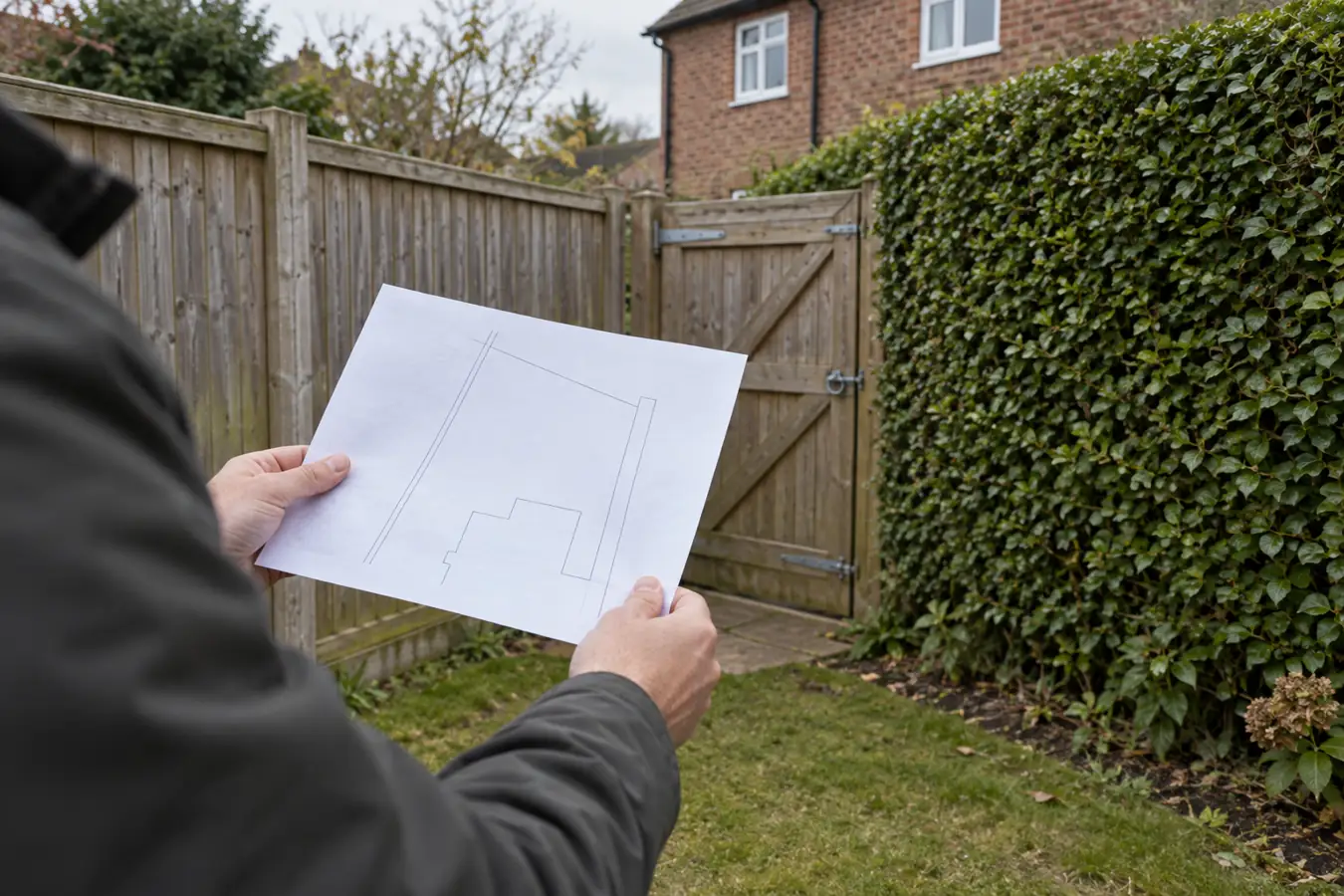
How to use a Spain cadastral reference check
A useful sequence prevents rushed conclusions. First, verify identity and location details. Compare documents with the physical property. Any material mismatch should return to the relevant professional for review.
- First, confirm the complete reference before opening the official service before moving forward.
- Check the returned address against the viewing location before moving forward.
- Compare the parcel and building position on the available map before moving forward.
- Review the descriptive details against seller documents before moving forward.
- Next, verify the cadastral record against the Land Registry extract before moving forward.
- Discuss material differences with an independent Spanish lawyer before moving forward.
- Record technical questions with an appropriate qualified professional before moving forward.
- Finally, assess the final written advice before commitment before moving forward.
Therefore, buyers should finish each step before relying on the next. Dates matter when records can change. Keep a short explanation for each decision. Review the complete file before exchange or commitment.
Warning signs that need further review
Not every gap creates a serious problem. However, unexplained gaps deserve attention. Identify what evidence could resolve the point. Decide with advisers whether the issue affects timing, cost or suitability.
- First, pause when the reference returns a different address or property.
- Take care when mapped information does not match the viewing location.
- Investigate when area or use descriptions differ without explanation.
- Seek advice when buyers treat cadastral data as proof of legal ownership.
- However, stop when a screenshot replaces a current official consultation.
- Record concern when seller documents contain inconsistent identifiers.
- Recheck when a proposed correction lacks supporting evidence.
- Finally, reconsider when money is committed while material discrepancies remain open.
For example, one missing record may need a simple request. Conflicting professional evidence may need specialist investigation. Buyers should avoid fixed conclusions too early. The evidence should drive the decision.
A practical buyer checklist
A written checklist keeps the review consistent across several properties. Use the same core questions for every shortlist option. However, add property-specific points whenever the evidence requires them. Assign each open task to a named person.
- First, copy the full cadastral reference carefully.
- Then, use the official Cadastre service for the consultation.
- Also, save the dated result with the buyer file.
- Keep time to compare the address and mapped location.
- In addition, give the result to an independent Spanish lawyer.
- Make sure to record every unexplained discrepancy.
- Before commitment, obtain written evidence for any correction.
- Finally, review the complete file before commitment.
Useful Trust Point resources include Barcelona properties, Alicante properties. In addition, official information appears through Spanish Cadastre electronic office. Check the current page and publication date before relying on guidance.
Professional advice: Cadastral information is not a substitute for Land Registry and property-specific legal checks. Buyers should obtain independent advice from a qualified Spanish lawyer and relevant technical professionals.
Overall, a Spain cadastral reference check works best as an evidence-led process. Buyers should verify the exact property, keep written records and resolve material questions before commitment. Trust Point can help buyers organise a shortlist, while independent professionals handle legal, technical, tax and financial advice.