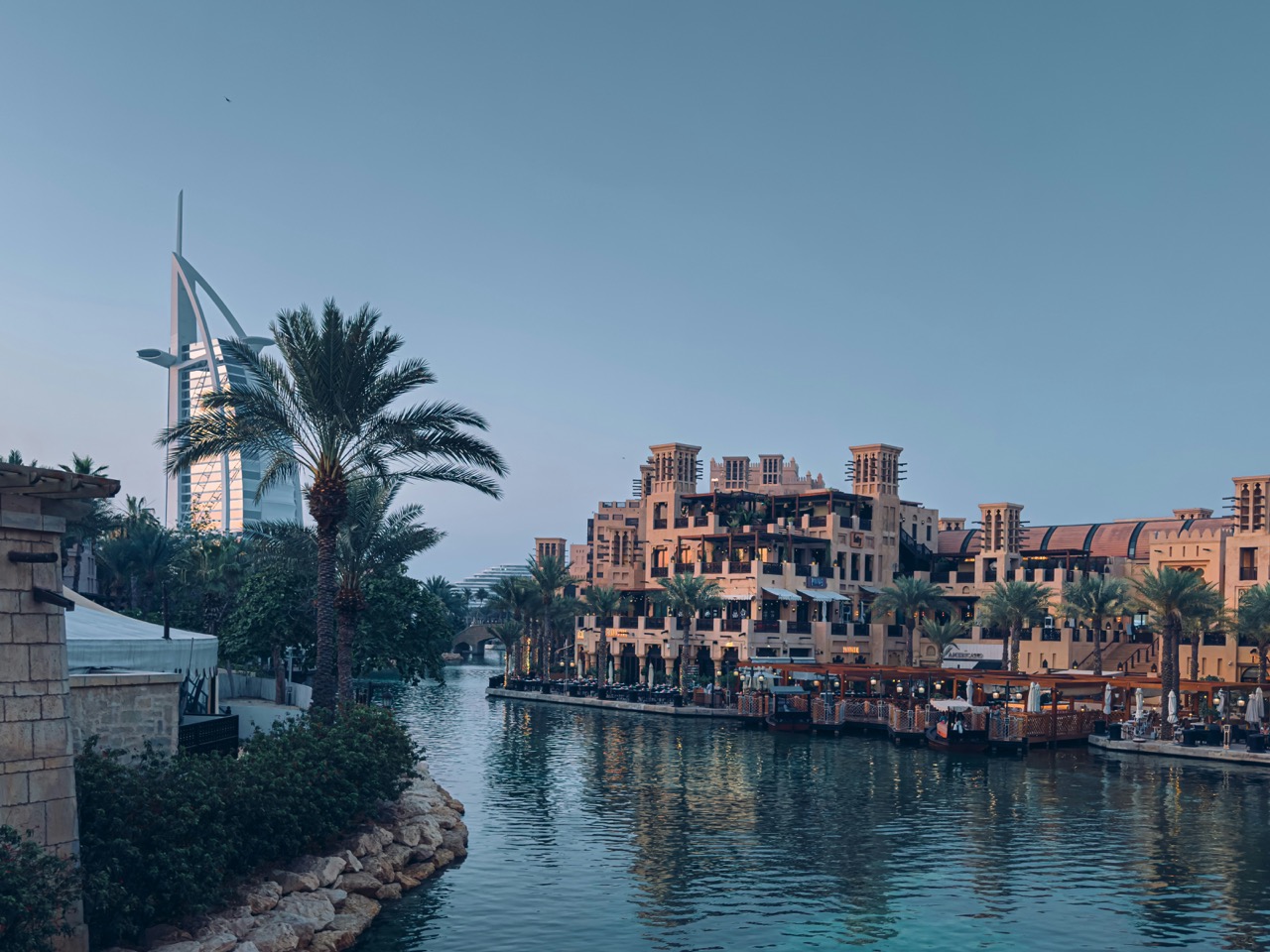

Dubai continues to attract global investors, and the process to buy property in Dubai as a foreigner is more streamlined than ever. The city offers clear regulations, attractive returns, and full ownership rights in freehold zones. With high rental yields, a tax-free environment, and long-term residency options, foreign buyers find Dubai one of the safest and most rewarding real estate markets in the world. This guide explains everything you need for a smooth and successful purchase.
1. Legal Process for Foreign Buyers in Dubai
Foreign investors can purchase real estate in designated freehold areas without restrictions. The buying process is simple and includes the following steps, which help protect both the buyer and the seller.
First, choose a property inside a freehold zone. Next, sign a Memorandum of Understanding with the seller. At this stage, buyers usually pay a deposit equal to 10 percent of the property value. After that, obtain a No Objection Certificate from the developer. This confirms that all service charges related to the property are fully paid. Finally, complete the transfer at the Dubai Land Department, pay the required fees, and sign the new title deed.
2. Freehold Areas Where Foreigners Can Own Property
Dubai offers a wide selection of freehold zones that appeal to different types of investors. Because these areas offer full ownership rights, they remain the most popular choices for foreign buyers.
Downtown Dubai, located near the Burj Khalifa, suits investors who want high rental demand.
Dubai Marina, known for its waterfront skyline, offers strong rental yields and high occupancy rates.
Palm Jumeirah provides luxury beachfront apartments and villas.
JVC, one of the fastest-growing districts, offers affordable units with good appreciation potential.
Dubai Hills Estate attracts families who prefer green spaces and modern community living.
3. Costs Involved When Buying Property in Dubai
Foreign buyers should understand the additional costs that come with a property purchase. The main expense is the Dubai Land Department transfer fee, which amounts to 4 percent of the property value. Real estate agents typically charge a 2 percent commission. Registration fees range between AED 2,000 and AED 4,000 based on the property value. Service charges depend on the community and the size of the property. If you use a mortgage, expect bank processing fees of around 1 percent plus valuation charges.
4. Required Documents for Foreign Buyers
To buy property in Dubai, foreign buyers must prepare several essential documents. These include a valid passport, proof of funds such as bank statements, and the property sales agreement. Residents also provide their Emirates ID. If using a mortgage, a bank pre-approval letter is necessary.
5. Financing Options for Non-Residents
Foreign buyers may access mortgages from UAE banks, although requirements differ between institutions. Most non-residents can borrow up to 50 percent of the property value. Approval depends on income, credit score, and employment details. Because interest rates and terms vary, comparing banks can help you secure better financing.
6. Advantages of Buying Property in Dubai as a Foreigner
Investors benefit from full freehold ownership in designated zones. Dubai offers strong rental yields, especially in established communities. The city also has no annual property tax or capital gains tax. In addition, buyers may qualify for long-term residency visas when their investment meets the minimum value set by the government.
Conclusion
Dubai remains one of the world’s most attractive markets for foreign investors. When you understand the legal process, required documents, freehold areas, and associated costs, buying real estate becomes simple and secure. With its strong economy, high rental demand, and stable regulations, Dubai offers excellent opportunities for both personal use and long-term investment.