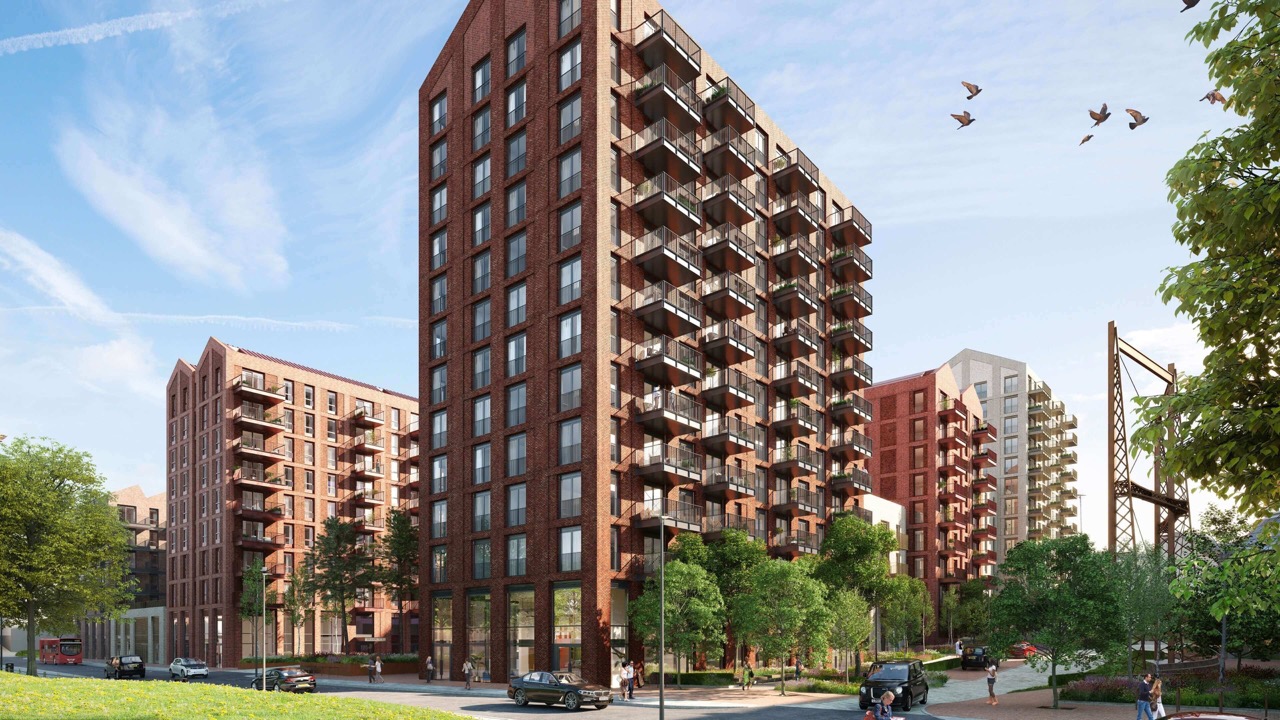

What the UK Real Estate Market Will Look Like by 2030
The UK property market has transformed dramatically over the last decade. As we look toward 2030, investors and homeowners alike wonder what lies ahead. With advances in technology, sustainability goals, and evolving buyer preferences, the future of UK real estate promises both opportunity and change.
1. Smart and Sustainable Homes Take Centre Stage
Sustainability will no longer be optional — it will define property value. Developers are embracing zero-carbon homes, energy-efficient systems, and smart automation.
Expect features such as AI-controlled lighting, smart thermostats, and renewable energy solutions. Eco-friendly construction materials and green roofs will also become common as developers adapt to stricter environmental standards.
2. Urban Regeneration and Regional Growth
London will continue to thrive, but attention is shifting beyond the city centre. Outer boroughs like Croydon, Stratford, and Wembley will experience strong demand.
Meanwhile, Manchester, Birmingham, Leeds, and Bristol are emerging as investment leaders due to job creation and affordability. Regeneration zones will feature mixed-use developments that combine homes, offices, and leisure spaces, creating self-sufficient urban ecosystems.
3. Price Growth and Market Stability
Property prices are forecast to grow by 15–25% by 2030, driven by population increases and housing shortages. Mortgage rates will likely remain higher than pre-pandemic levels but stable. Government initiatives will focus on improving access for first-time buyers and expanding affordable housing.
4. Build-to-Rent and Co-Living on the Rise
The build-to-rent (BTR) sector will expand rapidly as more investors prioritize long-term rental income. Co-living developments — offering furnished units and communal amenities — will appeal to millennials and Gen Z tenants seeking flexible, community-focused living. Renting will increasingly replace buying as a lifestyle choice.
5. Continued Foreign Investment and Digitalization
London will remain a magnet for global investors, backed by strong legal protection and high liquidity. Affordable northern cities such as Liverpool, Sheffield, and Newcastle will gain popularity due to better yields. Digital property transactions using blockchain will make deals faster, more transparent, and more secure.
6. Modular and Prefabricated Housing Expansion
By 2030, modular homes will revolutionize construction. These prefabricated designs allow faster delivery, lower costs, and customizable layouts. Developers will increasingly rely on this approach to meet government housing targets efficiently and sustainably.
Conclusion: A Smarter, Greener, and More Dynamic Market
The UK’s property future will be shaped by sustainability, technology, and shifting lifestyles. Smart homes, modular builds, and expanding regional cities will redefine how Britons live and invest. For forward-thinking investors, 2030 offers an exciting decade of innovation and opportunity.