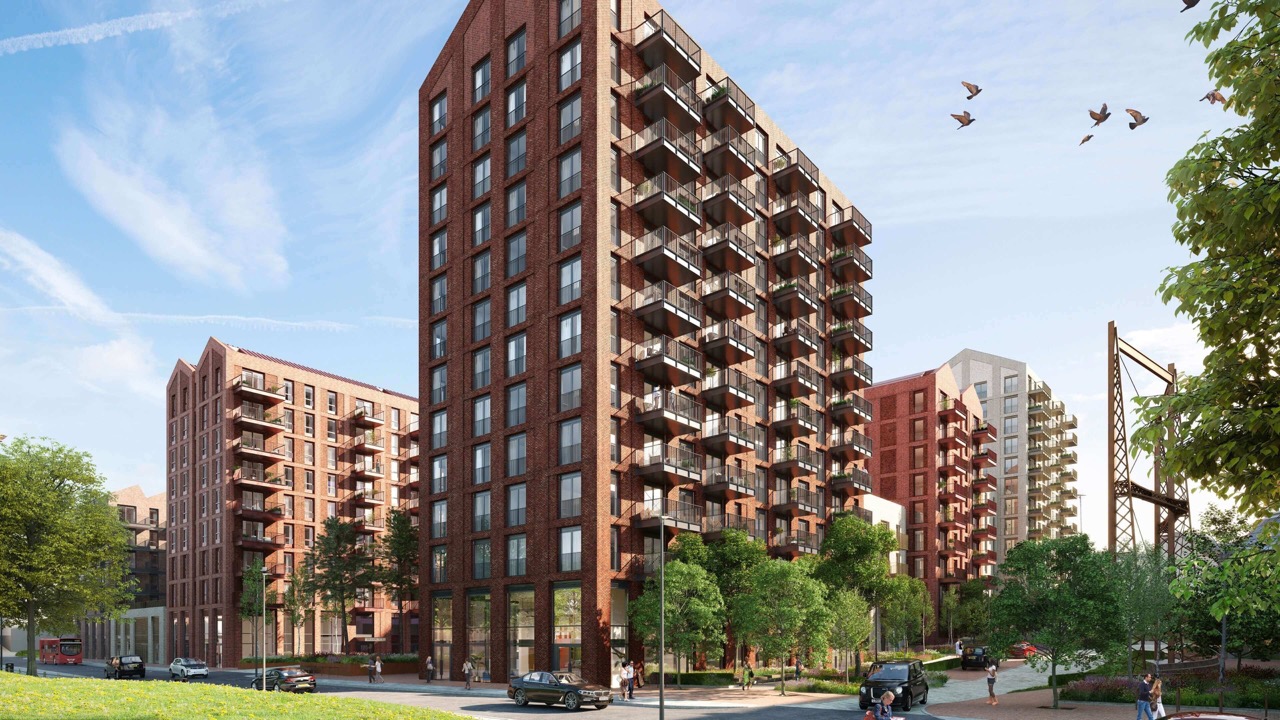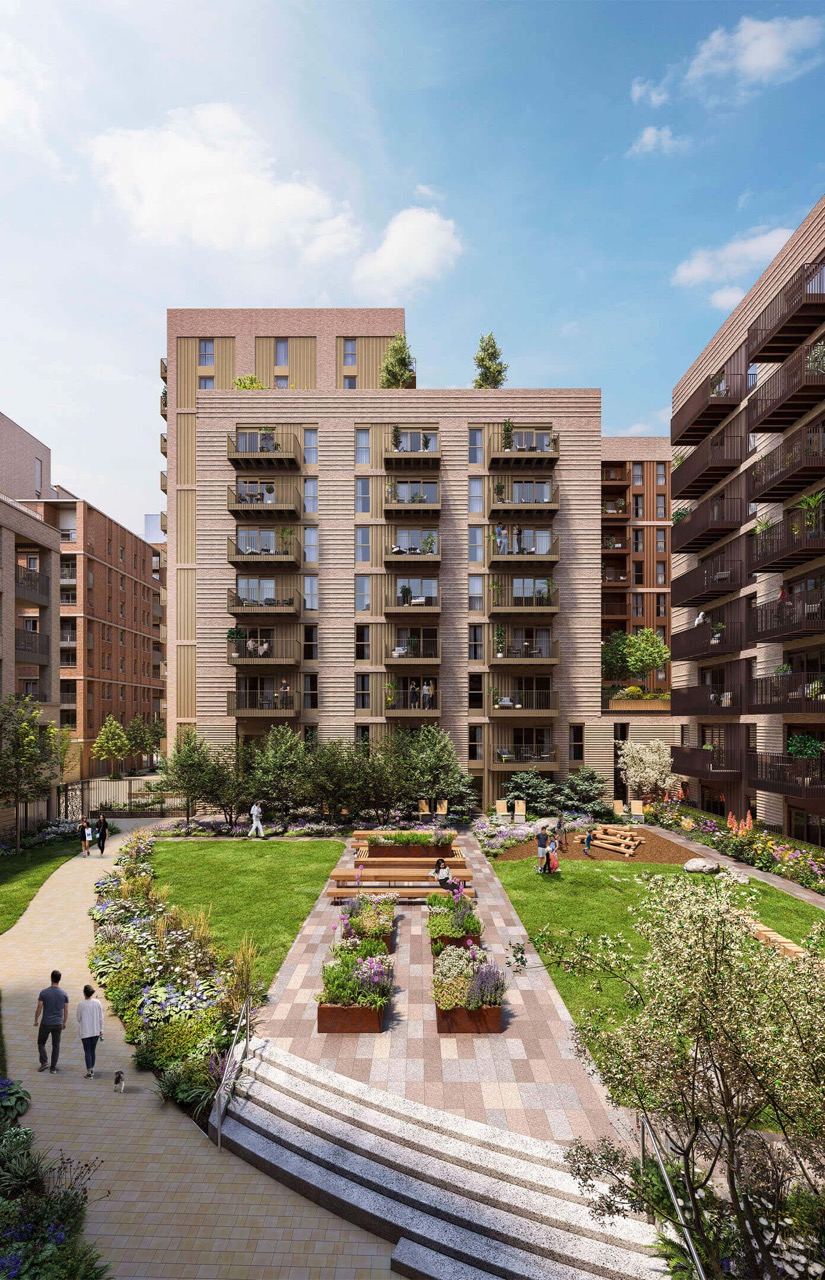

Residential Construction Investment UK has become one of the most attractive opportunities for developers and investors entering 2026. Demand for new homes continues to rise due to population growth and limited housing supply. As a result, the residential sector remains a reliable choice for long term projects. Because of these market conditions, many investors are now exploring development led strategies across both regional and national markets.
Why Residential Construction Investment UK Is Strong in 2026
Housing demand stays consistently high across the country. Cities in both the north and the south continue to grow, and this growth fuels the need for new construction. In addition, rental markets remain competitive, which increases the appeal of new build projects that offer modern layouts and efficient designs. As these trends evolve, residential construction becomes a stable entry point for investors.
Government policies still support new development activity. Affordable housing targets, mortgage support schemes, and urban regeneration plans encourage residential builders to launch new projects. These measures help reduce risk for developers and enable faster delivery of high quality homes.
Key Factors to Consider Before Starting a Development in 2026
1. Planning and Local Regulation
Planning approvals remain a central part of any scheme. Early engagement with local authorities helps avoid delays. Developers benefit from understanding local housing needs since councils often prioritise projects that match regional demand. Because of this, strong research is essential.
2. Design Standards and Sustainability
Sustainable construction continues to shape buyer expectations. Energy efficient materials, insulation standards, and low carbon heating systems can enhance market value. Homes with better performance ratings usually sell faster and attract higher rental interest. In addition, developments with green spaces or improved layouts often qualify for further support under regional planning guidelines.
3. Funding for Residential Construction
A range of funding routes remain available in 2026. Joint ventures, private equity, institutional support, and development finance all provide options for project delivery. Many investors also seek pre sales or phased releases to manage cash flow. When used correctly, these strategies reduce financial pressure and increase the viability of larger schemes.
Best Locations for Residential Construction Investment in 2026
Regions with strong employment growth continue to outperform. Manchester and Birmingham lead the northern markets due to their expanding business districts and large student populations. In London, outer zones offer better entry prices and long term regeneration potential. Meanwhile, emerging towns with new transport links create additional opportunities for developers who want early stage growth.
Why 2026 Is an Ideal Year to Start
Market forecasts remain positive. Analysts expect steady price growth and continued rental demand through 2026. New build homes continue to attract attention due to their quality and energy performance. As a result, developers who begin construction this year can benefit from strong sales and stable yields.
Conclusion
Residential Construction Investment UK in 2026 offers a powerful combination of demand, growth, and long term security. Developers and investors who focus on planning, sustainable design, and strategic funding can build strong portfolios in this evolving market. With the right approach, 2026 stands out as a year full of opportunity for new residential projects across the country.