
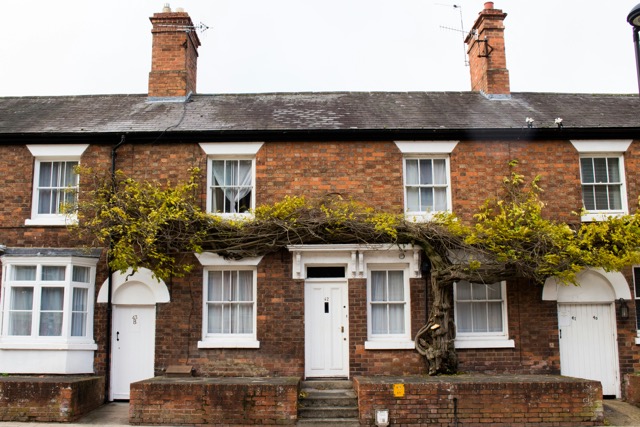
Buying a fixer-upper in the UK can be both rewarding and challenging. For many buyers, it offers the chance to purchase a home below market value and transform it into a personalized living space or profitable investment. However, success depends on careful planning, budgeting, and understanding the renovation process.
A fixer-upper is typically a property that requires repairs or upgrades before it becomes fully functional. Because of its condition, it is often priced lower than move-in-ready homes, making it appealing to investors and first-time buyers looking to enter the market.
There are several clear benefits. Buyers can customize every aspect of their home, from the kitchen layout to interior finishes. Additionally, properties bought at a lower price can provide excellent returns once renovated. Fewer buyers compete for these homes, giving investors more negotiation power.
Still, challenges do exist. Renovation costs can increase quickly, especially if issues such as faulty wiring, damp, or structural damage appear. Projects can also take months to complete, delaying potential move-in or resale dates. Moreover, some lenders are cautious about financing older or damaged homes, which may limit mortgage options.
Before committing, it’s essential to estimate repair expenses. For example, rewiring a house might cost around £5,000, while a new roof could exceed £10,000. Conducting a full structural survey before purchase helps prevent unpleasant surprises later.
Location plays a huge role in determining a fixer-upper’s value. Properties in high-demand areas with good schools and transport links tend to yield stronger returns. Hiring qualified builders and project managers ensures work is completed efficiently and within budget.
For buyers, specialized renovation or bridging loans can simplify financing. Some government schemes even support energy-efficient upgrades.
In conclusion, buying a fixer-upper in the UK can be a smart investment if approached strategically. With the right planning, professional advice, and realistic budgeting, it’s possible to turn a neglected property into a beautiful home or a profitable long-term asset.